
How do I find a breast cancer screening program?
How do organized breast screening programs in Canada work?
You may access organized breast cancer screening in the following ways.
Once you meet eligibility criteria, many breast screening programs will send you a formal letter or notification directly inviting you to participate in screening. Many provinces and territories do this from ages 50 to 74. Some programs have lowered their start age to 45 or 40.
Once you meet eligibility criteria, many breast screening programs allow you to self-refer. This means you can make an appointment to get screened without a referral from a healthcare provider. Most breast screening programs across Canada allow you to self-refer to get a mammogram starting at age 40.
Healthcare providers can help you understand your risk of breast cancer and whether you meet the criteria to participate in screening. If you have questions about your eligibility, talk to your healthcare provider. You can also ask for help at a walk-in clinic. A healthcare provider can refer you to a screening program.
Breast cancer screening programs in Canada
Most provinces and territories have organized breast screening programs. Nunavut doesn’t have an organized breast screening program right now. If you live in Nunavut, talk to your healthcare provider to find out how you can get screened.
Breast cancer screening for people at high risk
Continue learning more

When should I be screened for breast cancer?
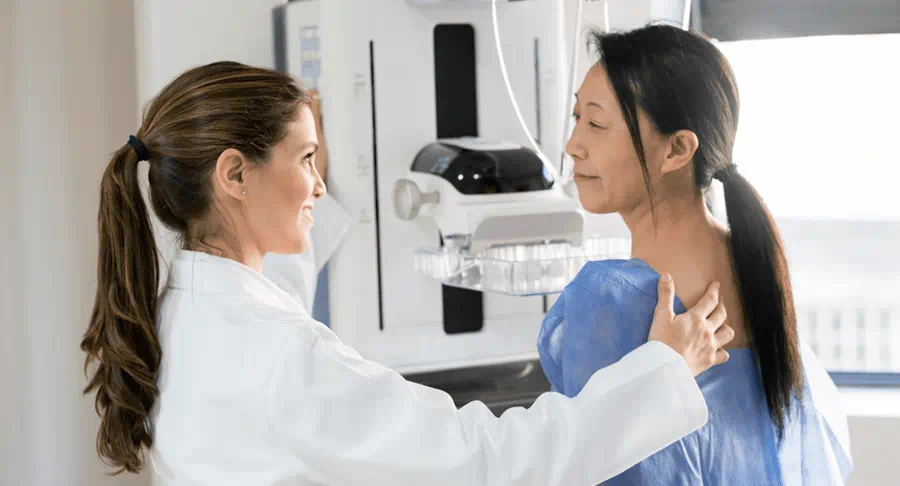
What happens when you have a mammogram?

What are the benefits and limitations of screening for breast cancer?
Screening in 2SLGBTQI+ communities

Your trusted source for accurate cancer information
With support from readers like you, we can continue to provide the highest quality cancer information for over 100 types of cancer.
We’re here to ensure easy access to accurate cancer information for you and the millions of people who visit this website every year. But we can’t do it alone.
Every donation helps fund reliable cancer information, compassionate support services and the most promising research. Please give today because every contribution counts. Thank you.